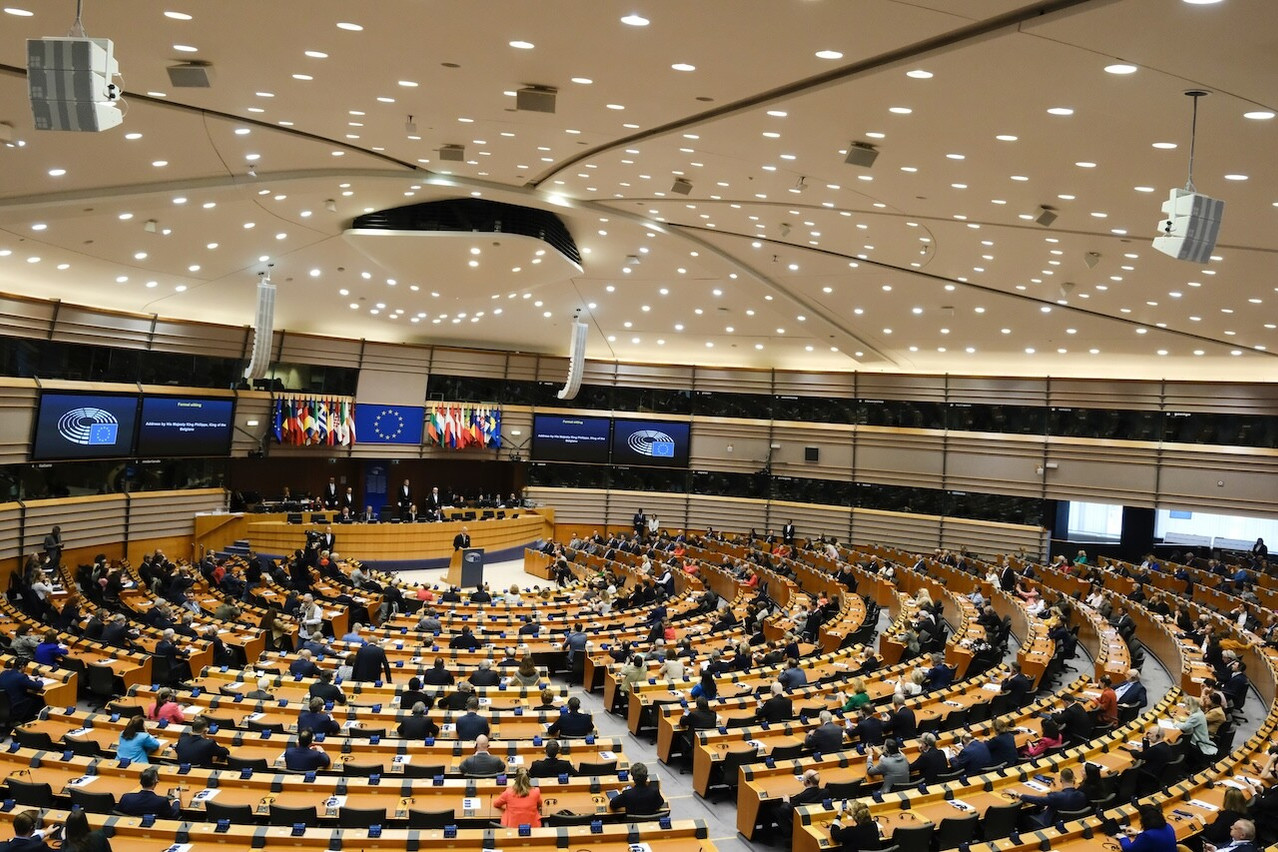
Should the remaining room in the EU budget be devoted to investment, or should it be preserved to deal with future crises? When the European Parliament adopted its position on the 2027 budget on Wednesday, 21 October, it backed the former option. MEPs are calling for €194 billion in commitments, €1.17 billion more than in the Commission’s initial proposal, to strengthen transport, energy, research, healthcare and education in particular.
By contrast, the governments represented in the Council want to reduce the commitments proposed by the Commission by around €1 billion. The disagreement therefore goes beyond the overall size of the budget: it concerns the balance between funding EU policies now and preserving budgetary reserves.
Research, healthcare and education: competing priorities
The differences are evident in several flagship programmes. Compared with the Commission’s proposal, the Council wants to cut funding for Horizon Europe, Erasmus+ and EU4Health. Parliament, by contrast, is calling for allocations to be increased beyond the Commission’s initial figures.
MEPs argue that this spending meets essential economic and social needs: boosting competitiveness, educating young people, funding innovation and improving the EU’s capacity to respond to health emergencies. They also want to increase funding for transport and energy interconnections, agriculture, environmental protection and responses to natural disasters.
The Council favours a different approach. It wants to ensure that programmes can continue operating while retaining resources to respond to crises in Ukraine and the Middle East, migration pressures and unforeseen events. Its proposed adjustments are also intended to limit pressure on national finances. The proposed cuts relate to the Commission’s draft budget and do not necessarily represent reductions compared with 2026.
Common debt at the heart of the dispute
The question of how to finance EU borrowing is intensifying this divide. Since interest rates rose following the adoption of the current budgetary framework, the cost of NextGenerationEU, the recovery plan launched in response to the pandemic, has exceeded initial forecasts. The costs associated with the loan to support Ukraine add to this burden. These expenses leave fewer resources available for other priorities.
The Commission proposes combining savings, available budgetary resources and specific financing instruments to cover these costs. However, this approach also draws on reserves that the EU may need to respond to future crises.
Parliament wants to prevent EU programmes from becoming the adjustment mechanism for debt repayments. It is calling for specific financing instruments to protect both investment and the budget’s capacity to respond to emergencies. “Debt linked to the NextGenerationEU recovery plan must not be repaid at the expense of the next generation of Europeans,” said general budget rapporteur Nils Ušakovs, a Latvian Social Democrat.
The Commission faces the limits of the current framework
The Commission is defending a draft budget designed to finance previously agreed priorities, ranging from competitiveness to support for Ukraine. However, it acknowledges that the resources still available leave very little room for new initiatives or unforeseen events. 2027 will be the final year of the current multiannual financial framework.
The negotiations must therefore resolve a political contradiction: all the institutions want an EU capable of investing and responding to crises, but they disagree on which resources should be mobilised and how much financial flexibility should be preserved.
Parliament itself reflects this dual imperative. While Nils Ušakovs stresses the needs of those benefiting from EU programmes, Michalis Hadjipantela, of the European People’s Party and rapporteur for the budgets of the other EU institutions, emphasises that “fiscal discipline is non-negotiable”.
The first round of negotiations with the Council is scheduled for 3 November, with the deadline for conciliation set for midnight on 16 November. Until then, the additional investment sought by MEPs will have to be accommodated in a compromise with national governments.