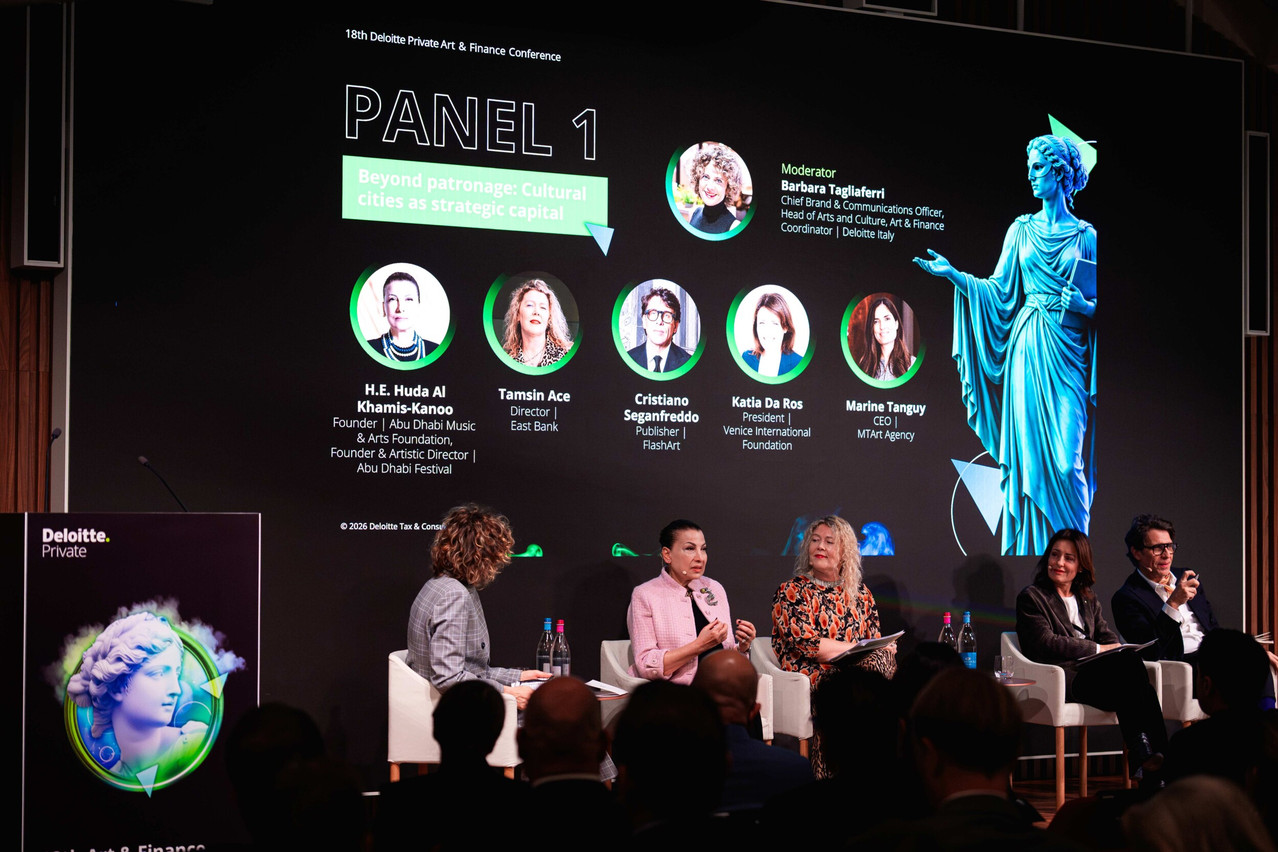
A museum can attract tourists, raise property values and strengthen a city’s international reputation. But does that necessarily make it a successful cultural investment? This question was at the heart of the panel “Beyond patronage: cultural cities as strategic capital”, held during Deloitte’s Art & Finance Conference in Venice on 27 October.
Bringing together representatives from cultural institutions, foundations and the creative industries, the discussion explored how art and culture are becoming increasingly embedded in urban development strategies. Yet the debate also exposed a fundamental tension: while culture can generate economic value, its contribution to society cannot be reduced to financial returns or visitor numbers.
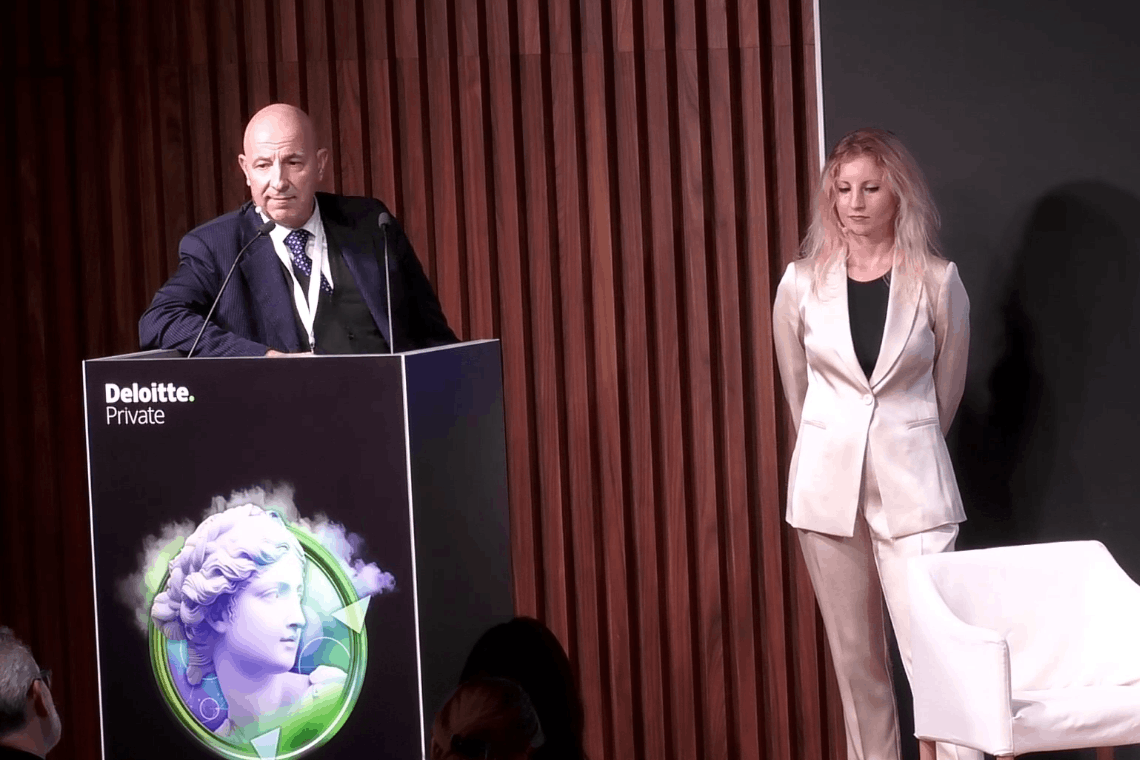
For Cristiano Seganfreddo, publisher of Flash Art, the problem begins when cities treat culture primarily as a tool for regeneration or branding. “We need to invest in software and not in hardware,” he argued, drawing a distinction between cultural infrastructure and the creative activity that gives it meaning. His message was particularly relevant in Venice, where centuries of artistic heritage coexist with the pressures of international tourism.
According to Cristiano Seganfreddo, cities risk becoming cultural theme parks if they focus on attracting visitors while neglecting the artists, young people and communities who sustain their cultural identity. The challenge is, therefore, not simply to preserve the past, but to create the conditions for contemporary culture to flourish.
London’s Olympic legacy
London’s East Bank offers a concrete example of how cultural investment can be integrated into a broader urban development strategy. Located within the Queen Elizabeth Olympic Park in East London, the cultural quarter forms part of the regeneration programme launched around the 2012 Olympic and Paralympic Games. Its ambition goes beyond bringing prestigious institutions into a previously disadvantaged area.
The project brings together five major partners: University College London, the London College of Fashion, Sadler’s Wells, the Victoria and Albert Museum and the BBC. Together, they are expected to create opportunities in education, employment and the creative industries, while strengthening the surrounding communities.
Tamsin Ace, the director of East Bank, explained that culture had been incorporated into the regeneration master plan from the beginning, rather than added once the buildings were completed. The distinction matters. Cultural institutions are not simply expected to attract new audiences; they must contribute to improving the lives of people already living in East London.
To translate this ambition into measurable outcomes, East Bank has established seven strategic objectives supported by 55 indicators. One of its commitments is that at least 50% of jobs within partner venues should go to local people. Joint recruitment initiatives, summer schools, career programmes and paid internships are designed to help residents access opportunities that might otherwise remain out of reach.
The director offered a clear definition of success: attracting audiences would not be enough if the surrounding communities were excluded from the benefits. The example illustrates a broader shift in cultural investment: from measuring the success of individual institutions to evaluating their contribution to an entire urban ecosystem.
The hidden return on cultural investment
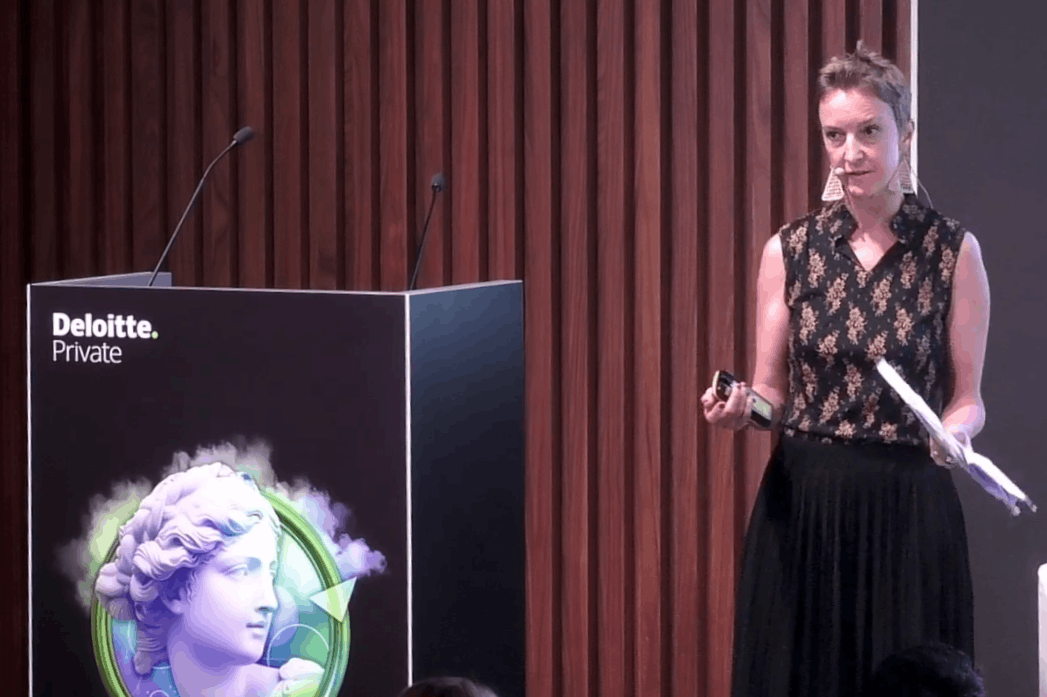
For Marine Tanguy, founder and CEO of MTArt Agency, the economic case for culture is only part of the equation. Her agency, which has delivered more than 300 public art projects over 11 years, works at the intersection of artists, brands, institutions and public spaces. She argued that cultural investment should also be assessed through its impact on social cohesion, health and education.
These benefits are particularly important at a time when many cities are experiencing social tensions and growing divisions. Public art, she explained, can encourage participation, strengthen people’s connection to their neighbourhoods and give visibility to experiences that have historically been overlooked. To illustrate the point, Marine Tanguy described a public sculpture project addressing the experience of the postpartum period.
Developed through collaboration between an artist, a commercial brand, researchers and healthcare professionals, the project sought to change public perceptions rather than simply decorate an urban space. The artist’s role extended beyond producing a sculpture: it involved listening to women’s experiences, engaging with researchers and translating different perspectives into a shared public work.
For Marine Tanguy, this demonstrates why artists should be involved much earlier in urban planning. When culture is introduced only at the final stage of a development project, its potential social impact is significantly reduced. She also highlighted a potential contradiction: successful cultural regeneration can contribute to gentrification, ultimately displacing the communities and artists that made an area attractive in the first place.
Ensuring that cultural production remains accessible is, therefore, just as important as encouraging cultural consumption.
Venice puts numbers behind patronage
The need to demonstrate tangible outcomes was also central to the intervention of Katia Da Ros, president of the Venice International Foundation. Founded around 30 years ago, the foundation brings together private contributions to support the preservation and development of Venice’s cultural heritage. According to Katia Da Ros, it has invested more than €3.5m in over 100 projects. But financial contributions alone are not sufficient to demonstrate impact.
Katia Da Ros presented a recent initiative designed to give greater visibility to local Venetian artists during a period when international cultural events tend to dominate the city’s artistic scene. The project brought together 54 artists and exhibited 89 works, attracting 2,010 visitors over 324 opening hours. These figures were incorporated into an impact assessment examining the project’s contribution to community development, partnerships and sustainability objectives.
For Katia Da Ros, measuring results is not simply about demonstrating value to sponsors. It also helps cultural organisations identify where they can improve. The approach reflects a wider evolution in philanthropy, with businesses and foundations increasingly seeking evidence of the social outcomes associated with their support.
Culture as a competitive advantage
The economic importance of culture was particularly evident in the intervention of Huda Khamis-Kanoo, founder of the Abu Dhabi Music & Arts Foundation and artistic director of the Abu Dhabi Festival. Drawing on almost three decades of experience, she described cultural investment as part of a long-term strategy linking public institutions, private businesses and civil society.
In her view, culture contributes directly to a city’s ability to attract investors, businesses and residents. A city without cultural energy, identity or opportunities for human connection would struggle to generate the same appeal. The Abu Dhabi experience, she suggested, illustrates how public-sector commitment and private-sector participation can reinforce each other when cultural development is treated as a long-term priority.
But this also raises an important question for investors: should culture be valued primarily for the economic activity it attracts, or for the social and creative environment it makes possible?
From investment to lasting value
Across the different examples presented in Venice, a common message emerged. Cultural investment is no longer limited to financing exhibitions, restoring monuments or sponsoring prestigious events. It increasingly forms part of wider discussions about urban competitiveness, education, employment and social cohesion. But the panel also challenged the assumption that more cultural infrastructure automatically produces better outcomes.
A city can build world-class museums and still fail to support its local artists. It can attract international visitors while making cultural spaces less accessible to residents. And it can generate economic activity without ensuring that the benefits are widely shared. For businesses, foundations and public authorities, the next challenge is, therefore, not simply to invest more in culture, but to demonstrate whom that investment benefits.
As the discussions in Venice made clear, the true value of a cultural city may ultimately depend less on what it builds than on what it enables people to create.