Families could receive an additional €45 or €60 a month in child allowances from January 2027 under legislation facing a parliamentary vote on Thursday. The increase is one of several measures affecting household finances, working conditions and immigration procedures that MPs will consider during five plenary sittings this week. Higher back-to-school payments are also proposed, although those would not take effect until August 2027.
For civil servants, the proposed changes concern both working arrangements and protection from out-of-hours contact, although teleworking would still require administrative approval. Foreign employees could benefit from longer residence permits and shorter processing times, while some families seeking reunification would face stricter conditions. The immigration measures combine revised EU rules with separate Luxembourg policy choices.
Monday 12 October
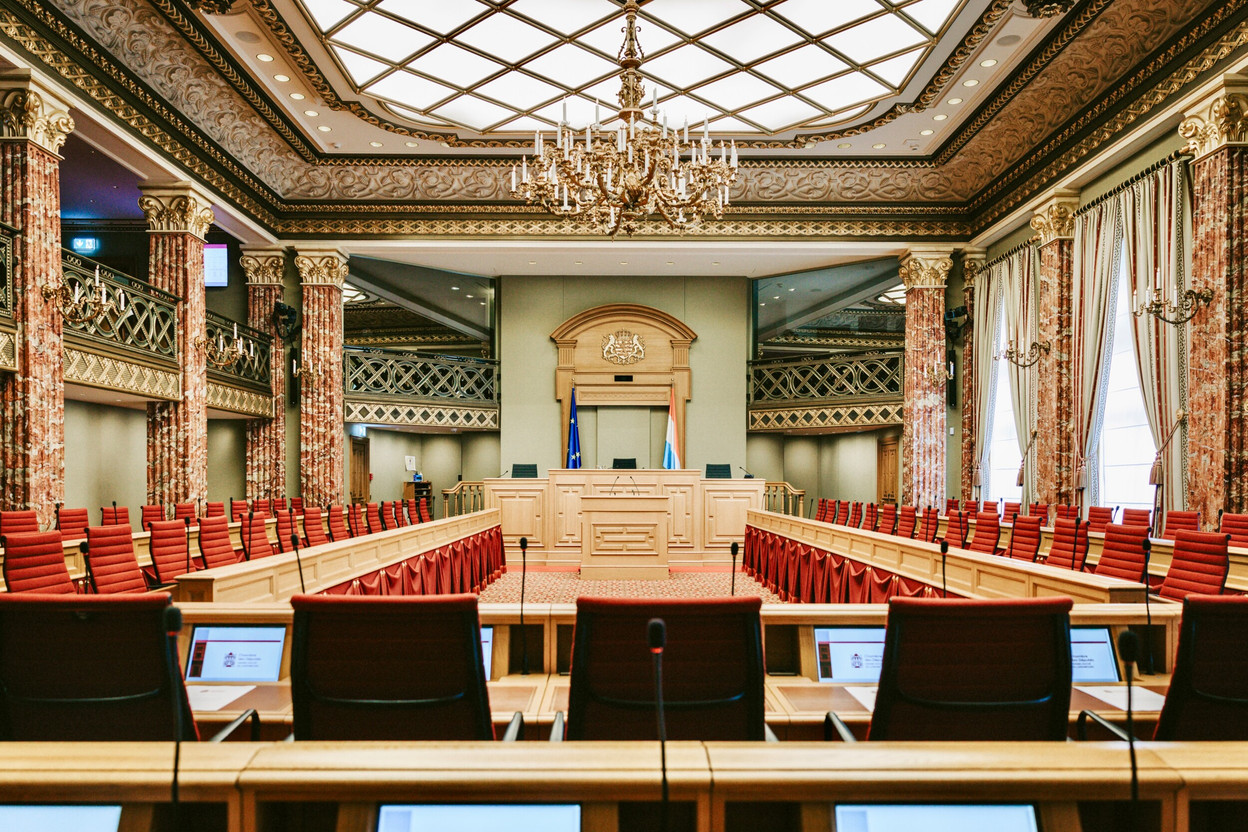
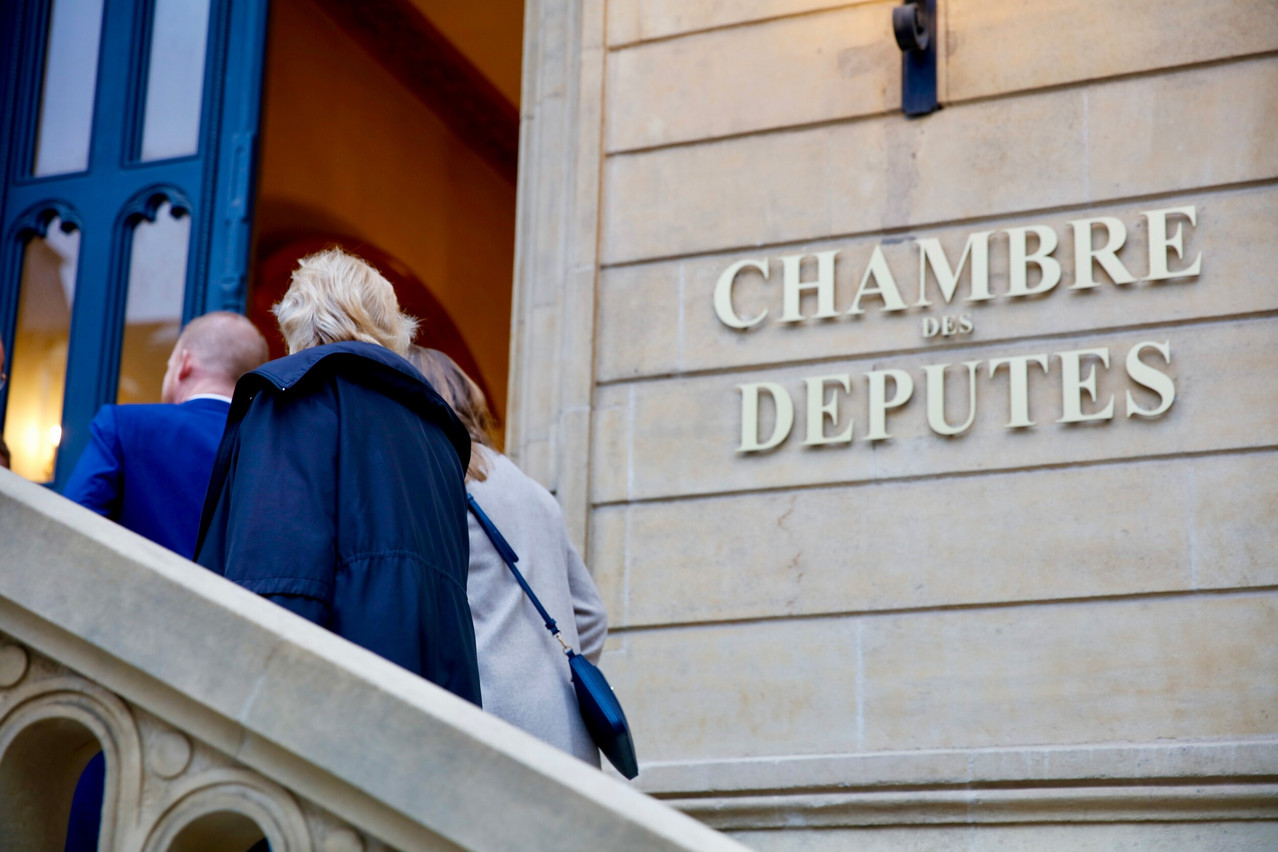
The Chamber. MPs on the foreign affairs committee will examine the removal of businessman Mikhail Fridman from the EU sanctions list and Luxembourg's position on the matter. The Council of the EU removed him from the list in September, making the decision a subject of parliamentary scrutiny.
Council of the EU. Environment ministers meeting in Luxembourg will discuss the EU emissions trading system in the context of the bloc's 2040 climate objectives. The carbon-pricing framework affects costs and investment decisions in covered industries. Ministers are also expected to consider separate conclusions ahead of the COP31 climate conference and COP17 biodiversity summit.
Tuesday 13 October
The Chamber. MPs will vote on bill 8121, which would extend teleworking arrangements to trainee civil servants and establish a statutory right to disconnect. Remote working could account for up to 60% of working time, subject to administrative approval and service requirements rather than becoming an automatic entitlement.
The right to disconnect would apply to civil servants whether or not they work remotely. Contact outside working hours would be permitted for exceptional, unforeseen reasons requiring action before the next working period, or under specified on-call arrangements. Employees would be protected against adverse consequences for not responding outside their working hours.
Luxembourg. The Luxembourg Cybersecurity Factory will demonstrate a cybersecurity data-space initiative at the Cyber Data Unlocked event, part of the Luxembourg AI Factory's AI Sphere series. Organisers describe it as Europe's first such initiative. The programme includes available datasets, a business application and arrangements for companies wishing to contribute data, with potential uses in cybersecurity services and AI development.
Wednesday 14 October
The Chamber. Immigration reform is among the afternoon's principal votes. Bill 8586 would give authorities 90 days to decide complete single-permit applications, subject to an exceptional extension, and lengthen initial residence permits for salaried workers from one to two years. Renewals could last four years instead of three, while changes of employer during the first two years would remain subject to conditions and notification requirements.
Separate Luxembourg provisions would tighten simplified family reunification for beneficiaries of international protection. Applications seeking exemption from ordinary requirements would have to be submitted within six months of protection being granted, with additional conditions concerning eligible family members. The bill would also close the investor residence-permit route to new applicants, while preserving existing permits until expiry.
The Chamber. MPs will debate chronic-disease prevention following research by the National Health Observatory. The observatory attributes 83% of Luxembourg's disease burden to chronic illnesses and examines risk factors including smoking, alcohol consumption, diet and physical inactivity, as well as social inequalities affecting health.
Luxembourg. Twenty-four start-ups are due to be selected for the latest Fit 4 Start programme during Luxembourg Venture Days on 14 and 15 October. Luxinnovation received a record 556 applications for ten digital places, five each in healthtech and space, and four in defence. Selected companies may qualify for €50,000 after incorporating in Luxembourg, with up to €100,000 in further support subject to fundraising and employment conditions. The programme is scheduled to begin in January 2027.
Luxembourg Venture Days will also host a Defence Investment Forum examining capital for European defence capabilities and dual-use technologies. Venture capital and public-private co-investment are among the wider programme's subjects.
Thursday 15 October
The Chamber. MPs will debate Luxembourg's international obligations concerning Israel's activities in occupied Palestinian territory, following a request by opposition MPs. The discussion draws on legal research commissioned by the Chamber into possible responsibilities under international law, including questions involving trade, investment and dual-use goods. Three associated motions concern protecting the International Criminal Court against extraterritorial restrictions, possible suspension of EU cooperation with Israel and stronger parliamentary oversight of international agreements. The research examines potential legal obligations; it does not constitute a judicial finding against Luxembourg.
The Chamber. MPs are due to vote on bill 8746, which would increase monthly child allowances from January 2027 by €45 for children under 12 and €60 for those aged 12 and over. The proposed monthly amounts are €352.35 for children up to five, €375.58 for those aged six to 11 and €425.34 from age 12.
Back-to-school payments would rise by €60 for children aged six to 11 and €90 for older children, with the higher amounts applying from August 2027. The reform also addresses indexation and eligibility for certain stepchildren of cross-border workers. The government estimates additional expenditure of €166.4m in 2027 and €205.7m in 2028.
European Council. EU leaders will begin a two-day summit in Brussels, with energy costs for households and businesses among the main issues. In his invitation of 8 October, European Council President António Costa called for political guidance on possible targeted, temporary measures to ease high energy prices.
Competitiveness, the single market, the EU's next long-term budget, defence, Ukraine and migration are also on the agenda. Any agreement on energy relief would require further action before support measures could take effect. The summit will continue on Friday.
Friday 16 October
The Chamber. European Court of Auditors member Joëlle Elvinger will present the institution's 2025 annual report to MPs from the budgetary execution, finance and foreign affairs committees. The auditors estimate that 3.8% of EU budget expenditure did not comply with applicable rules, compared with 3.6% in 2024. The figure represents estimated errors rather than detected fraud.
Chamber of Commerce. Luxembourg businesses will discuss the European Commission's proposed Public Procurement Act with Esther Eva Schmidt, deputy head of its public procurement unit. Presented on 9 September, the proposal would overhaul EU tendering rules, including administrative procedures, access for smaller companies and the use of public contracts to support innovation and strategic economic priorities. The dialogue will give businesses an opportunity to raise concerns directly with the Commission.