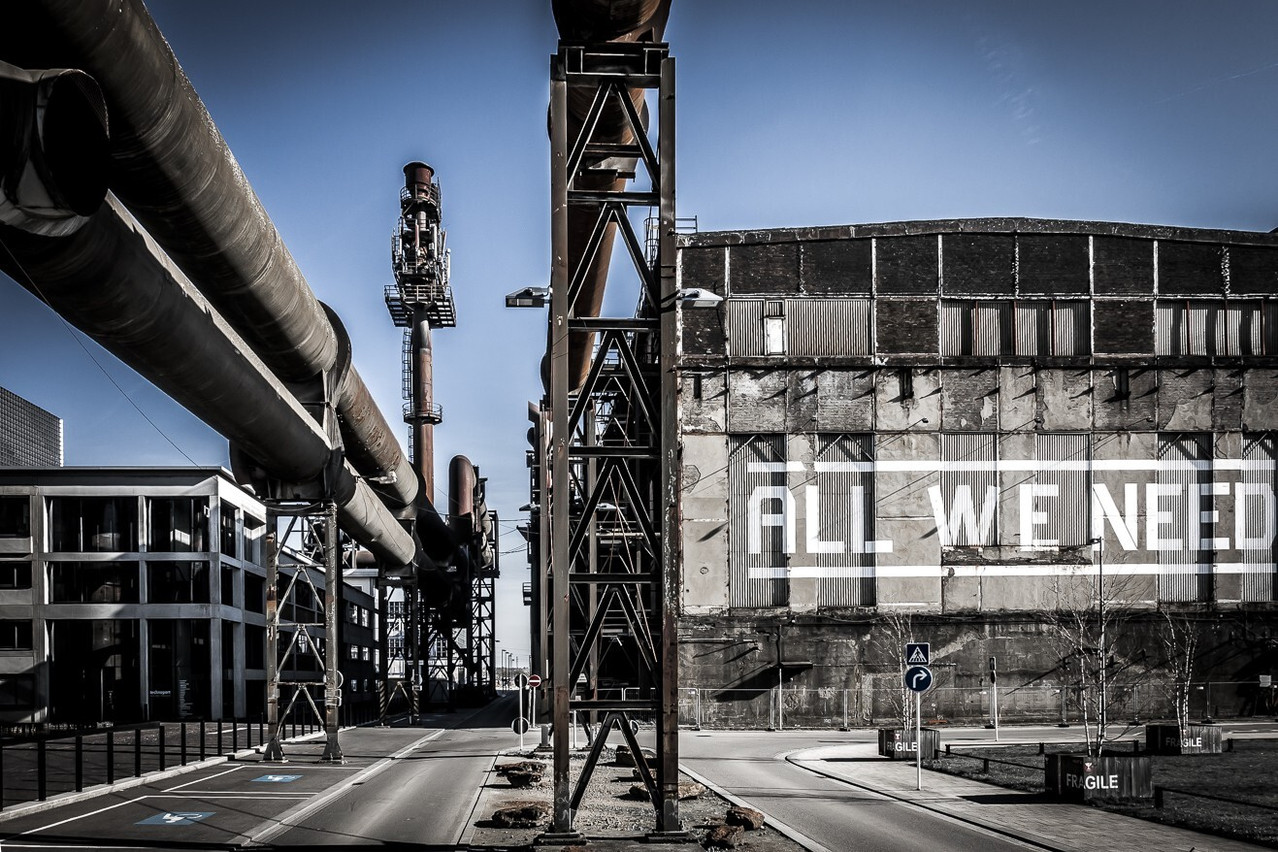
This is a selection we would love to be able to celebrate wholeheartedly. But if the Halle des Soufflantes features amongst the seven heritage sites selected by Europa Nostra, it is precisely because it is one of the most endangered sites in Europe for 2026. Submitted by the National Centre for Industrial Culture (CNCI), its nomination was accepted as part of the “7 Most Endangered” programme, run by Europa Nostra in partnership with the European Investment Bank (EIB) Institute. This serves as a European wake-up call for this major monument to Luxembourg’s steelmaking history.
Europa Nostra is a European civil society network committed to safeguarding cultural heritage. Its programme identifies monuments and sites at risk, then mobilises local, national and European partners to secure a viable future for them. The challenge therefore goes beyond simply publishing a list: it is about turning the attention raised into opportunities for action. For 2026, alongside the Halle des Soufflantes, the list includes the village of Katapola and the ancient city of Minoa (Greece), the Fábri watermill in Feked (Hungary), the British barracks at Fort Chambray in Gozo (Malta), the gunpowder factory at Vale de Milhaços in Seixal (Portugal), the Reformed Church of Sântămăria Orlea (Romania) and, finally, the Weifert brewery in Pančevo (Serbia).
Bad news… but a positive sign
A selection process that opens doors. In practical terms, the selected sites benefit from the support of European teams combining expertise in heritage and finance. Their work involves gathering information, meeting with the relevant stakeholders and, where appropriate, carrying out an on-site assessment. The aim is to help draw up a realistic conservation plan in collaboration with the owners, public authorities and local partners.
However, selection does not come with a cheque to cover the regeneration costs. It is intended to help identify funding opportunities and mobilise public and private support. European expertise and visibility can carry weight in the discussion; they are no substitute for the necessary decisions or financial commitments.
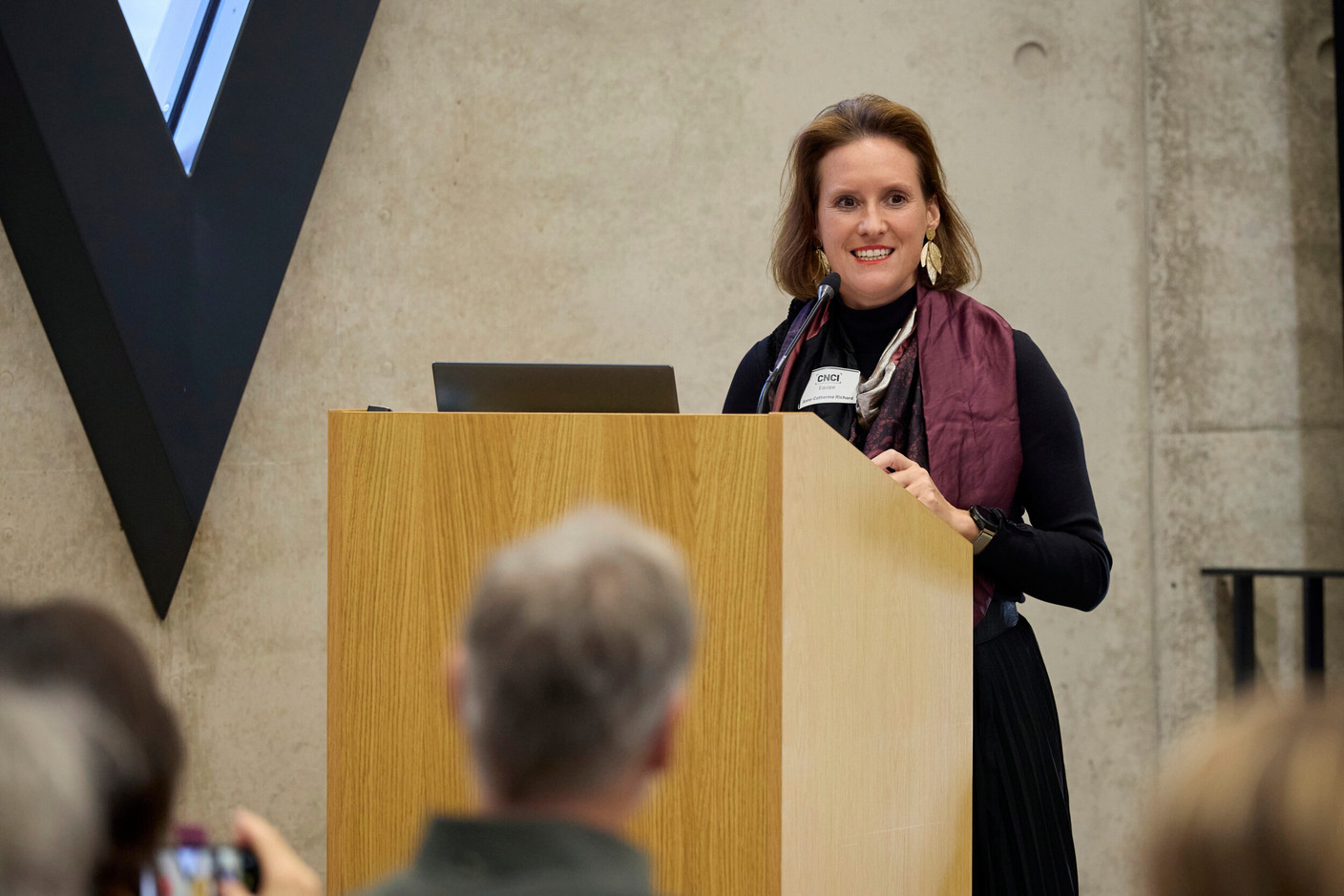
Plans for redevelopment already exist. What remains to be clarified are the practical next steps following this work and the discussions between the relevant stakeholders. “Europa Nostra is a tool that opens doors and helps us,” explains Anne-Catherine Richard, director of the CNCI. However, we still need to bring the right people together around the table and work out what they can achieve together.
A faltering giant with a future ahead of it
In Belval, the scale of the building is quite staggering. Built in 1910, the Halle des Soufflantes is 160 metres long, over 72 metres wide and 28 metres high. As architect Maria Spada points out, it has been a listed building at national level since 2000 and closed in 2019 due to stability issues and contamination risks. Water ingress, corrosion and deterioration have weakened this monumental building.
Spaces that would put even a New York loft to shame, then. But also a roof, structures and facilities whose future cannot be resolved with a simple coat of paint. What should be preserved? To accommodate what? And with what resources?
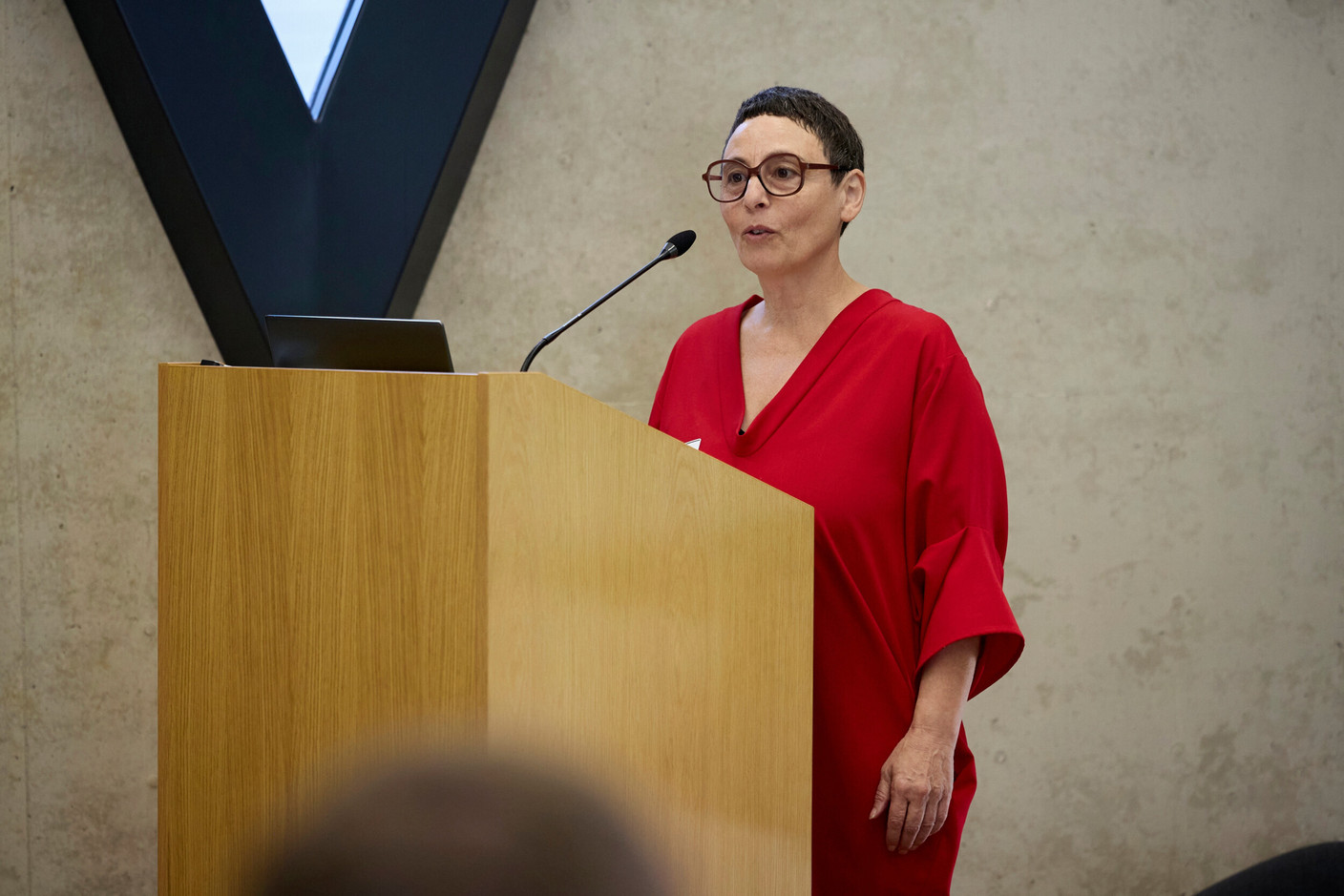
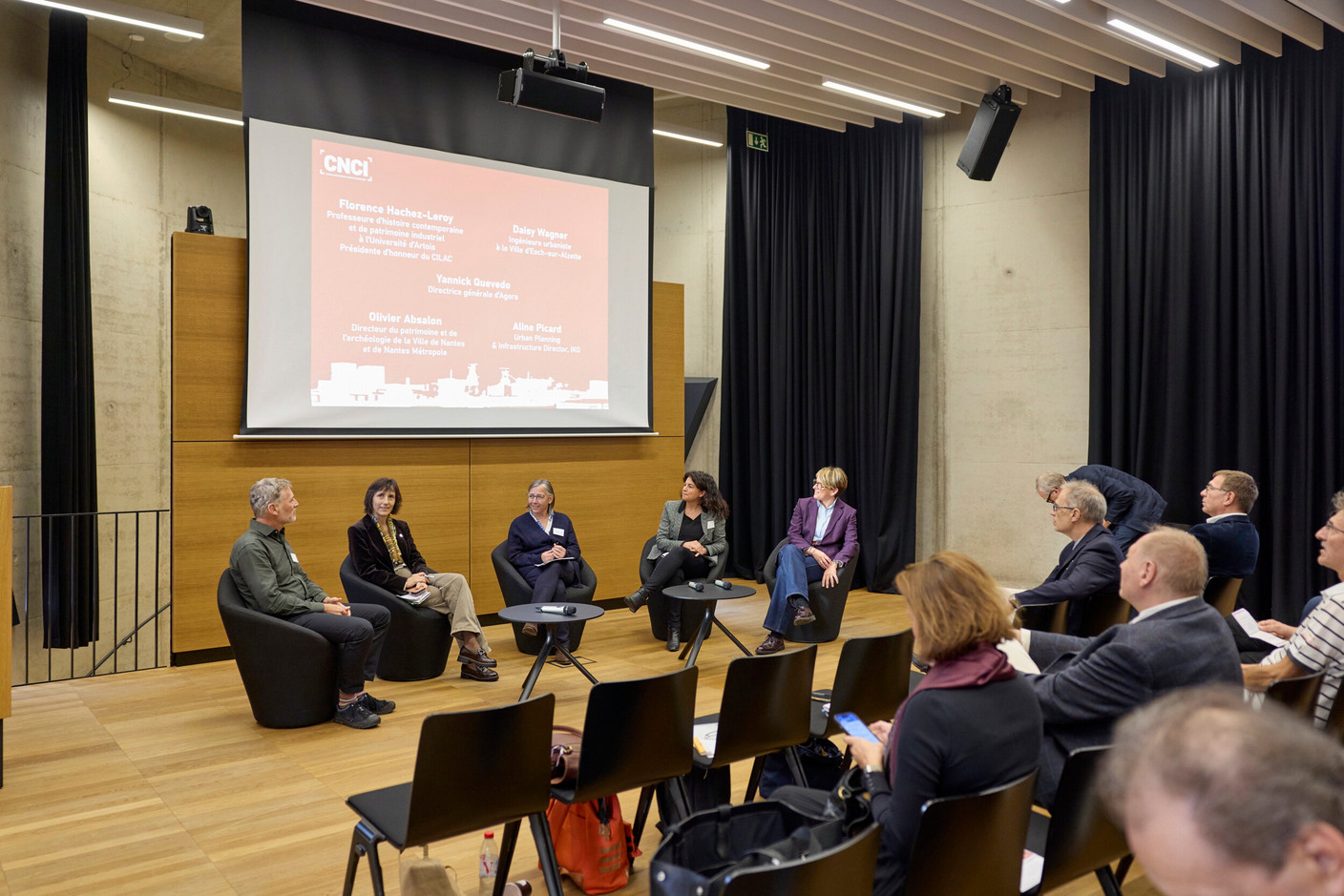
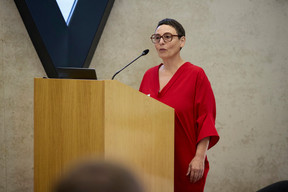
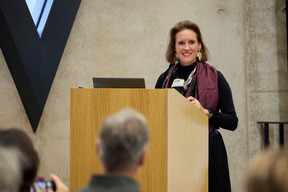
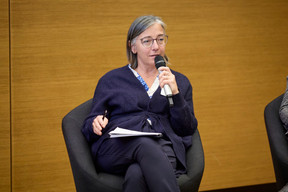
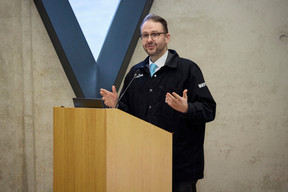
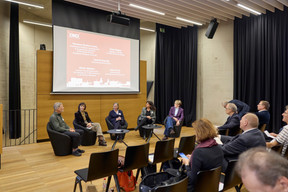
These questions formed the basis of the conference organised by the CNCI as part of European Heritage Days. At the event, international experts shared their experiences with stakeholders from Luxembourg, notably the City of Esch-sur-Alzette, Agora and Iko. Representatives from Europa Nostra were also in attendance.
During the event, scale models enabled the public to explore the market hall and various possible redevelopment options. One of them also showed how it might be dismantled. This was a very practical way of reminding people that waiting, too, has consequences.
Bringing heritage to life at neighbourhood level
The discussion extends beyond the walls of the Halle des Soufflantes. From Metzeschmelz to Rout Lëns, regeneration projects, too, must come to terms with buildings designed for a use that no longer exists. Situations vary, but the challenge remains the same: to find the best possible uses for the sites, given the available resources and requirements.
For Maria Spada, who coordinated the conference at the CNCI, the survival of these buildings depends on finding a new purpose for them, and this needs to be pursued right away. Developing a neighbourhood around a market hall and then wondering what might be put there limits the possibilities.
The international examples presented at the meeting opened up new perspectives. In Nantes, in particular, the regeneration of former industrial sites combines heritage, art, retail spaces, promenades and public spaces. At the forefront of this is the famous Grand Éléphant, which has long been associated with the city’s image.
There’s no need to bring a mechanical elephant to Belval to get the point across: a derelict site can contribute to the identity and life of an entire area. Provided we consider the building, its uses and its surroundings as a whole.
For the Halle des Soufflantes, the European selection and the accompanying light display now serve as a springboard. The next challenge will be to move from recognising its value to planning for its future. For a mention on a list, however prestigious, may attract attention for a while. But to secure its foundations and reopen its doors, we must act swiftly to take things further.