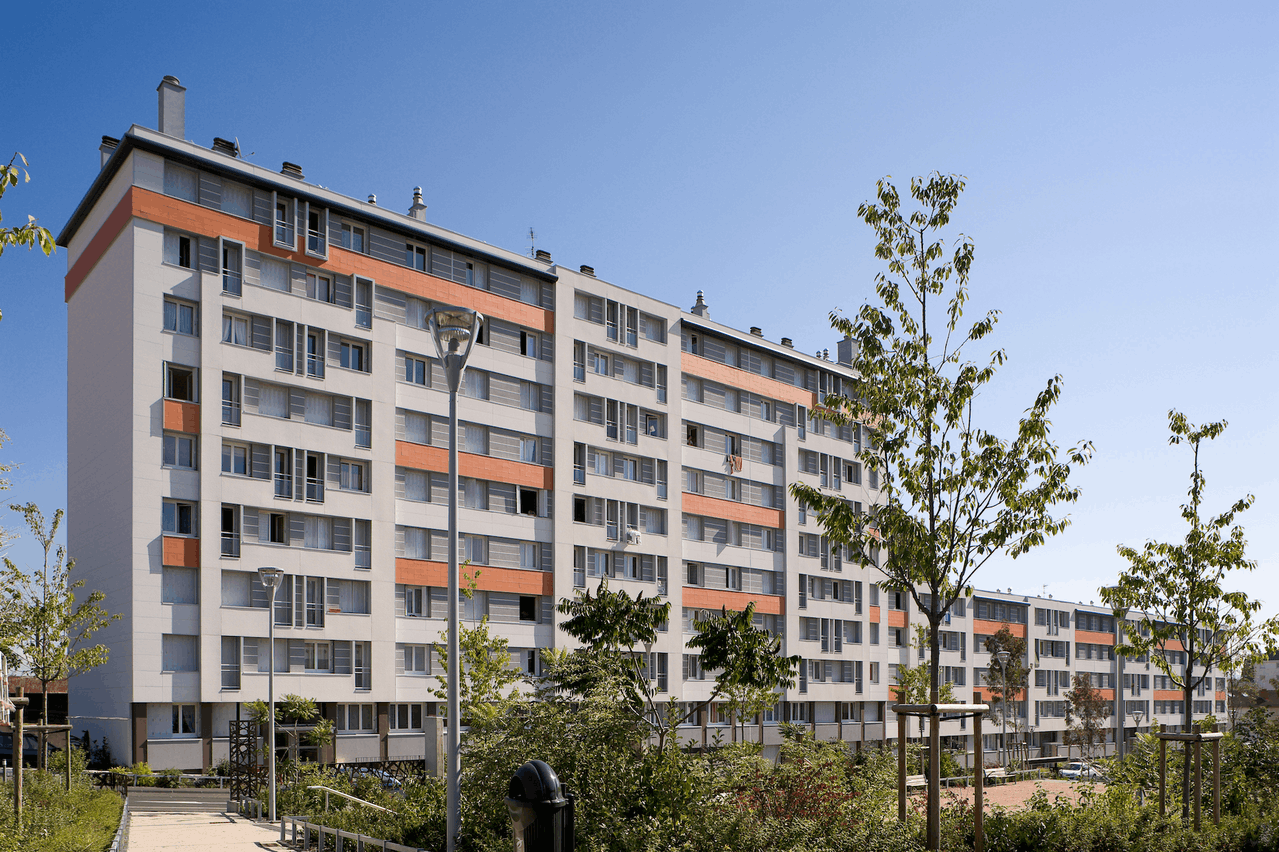
Access to housing is a fundamental right, yet in Luxembourg, it is becoming increasingly difficult. Despite the fall in prices after 2022, housing prices in early 2025 were still around 50% higher than in 2010, even after adjusting for inflation.
Tenants face particularly strong pressure. According to the Housing Observatory, households renting on the private market spent an average of 39.3% of their income on housing in 2023, compared with 31.8% in 2016. For the lowest-income 20%, this share reached 55.6%. When housing absorbs more than half of a household’s income, little remains for other essential expenses.
Meanwhile, construction is slowing down. Higher interest rates and construction costs have held back projects. Bankruptcies and job losses also risk reducing construction capacity over the long term. But the housing shortage predates this crisis: even when interest rates were at historic lows, construction was not keeping pace with housing needs.
Financial support is essential to ease the pressure on households. However, it cannot correct this imbalance on its own. Action is also needed to remove the barriers to a sustained increase in supply. Taxation is one of the tools that can help.
A first objective is to bring constructible land that is being held off the market into use. Ownership is highly concentrated: the 1,000 largest individual landowners hold almost half of all such land owned by private individuals. A sufficiently dissuasive tax, increasing with the length of time a plot remains unused, could encourage its development. A bill on the reform of property tax and the introduction of a tax on land mobilisation is currently under consideration by a parliamentary committee. In the CSL’s view, however, the proposed measures must be strengthened to match the urgency of the situation.
The same approach should apply to homes left vacant without justification. The aim is not to tax for the sake of taxing, but to encourage these homes to be returned to the market, including through social rental management schemes.
The cost of funding public infrastructure that contributes to property values should also be shared more fairly. The CSL proposes progressive taxation of property wealth, considering the total value of the properties held. When land increases in value thanks to public infrastructure or its rezoning as land for development, part of that gain should return to the community to fund affordable housing.
Finally, tax policy should also take greater account of tenants’ expenses. While homeowners and investors benefit from several tax advantages, rent remains an essential expense that these measures do not recognise. A capped, targeted rent tax credit could help create a fairer balance without primarily benefiting higher-income households.
Overcoming the crisis requires more than financial support to help households cope with unaffordable rents. It also means building affordable housing, bringing land suitable for development and unused homes into use, and distributing tax advantages more fairly. Tax policy must serve a clear purpose: enabling people to secure a home, rather than encouraging the accumulation of wealth at the expense of this essential need.
More information at csl.lu