After more than twenty-five years working closely with companies, investment funds and boards of directors, one thing is clear: corporate governance has become increasingly documented, regulated and scrutinised, yet this does not guarantee that it is better understood or more effectively implemented.
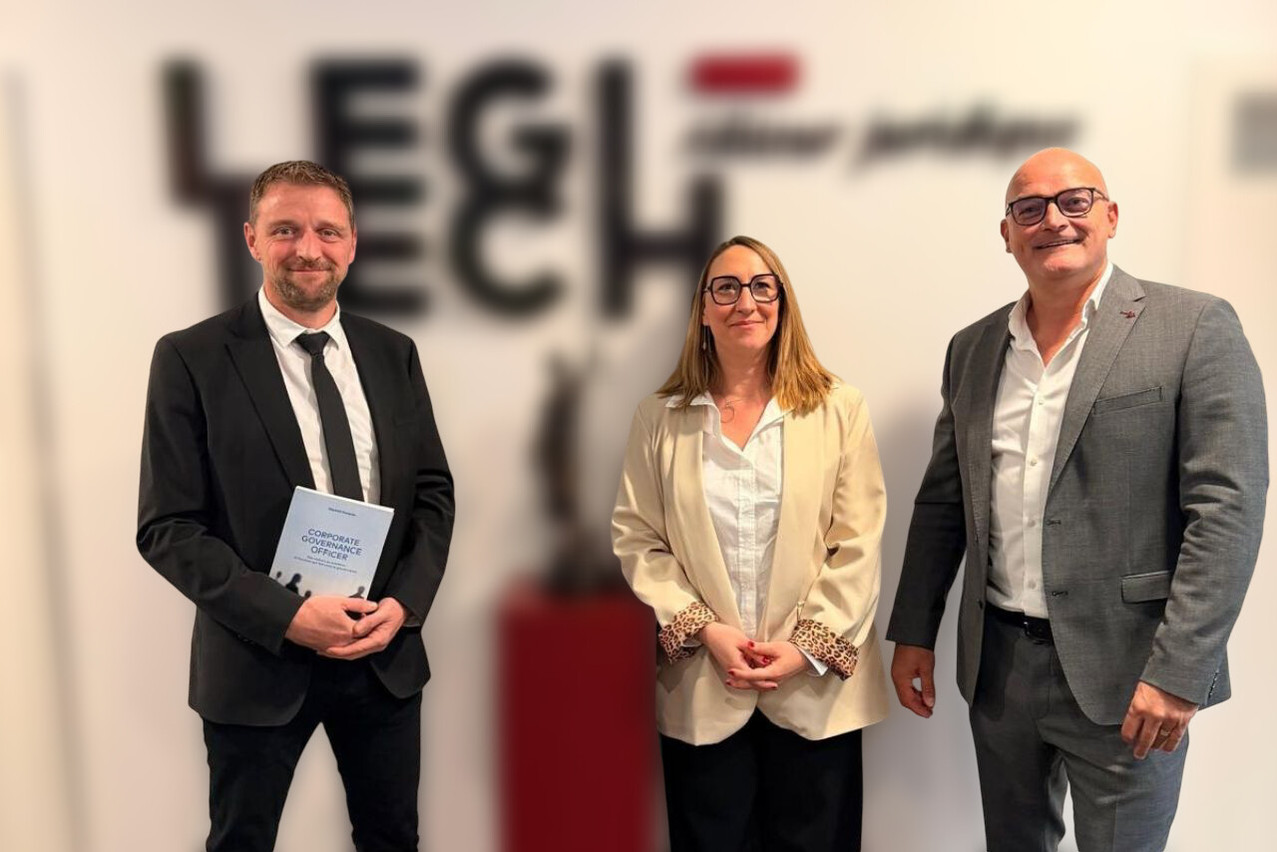
This thinking led to the publication of “Corporate Governance Officer – From Values to Systems: The Role that Brings Governance to Life”, published by Legitech.
Ultimately, governance remains the art of governing, not the art of documenting. Governing involves setting a direction, organising activities, allocating responsibilities and enabling an organisation to achieve its objectives sustainably. Policies, procedures, committees and controls are essential, but they are merely tools. The risk arises when they take precedence over their intended purpose.
The publication distinguishes between an organisation’s values and its governance system. Before defining procedures or governing bodies, it is necessary to understand what guides the organisation: its purpose, its culture and the expectations of its stakeholders. These values evolve in response to changes in the regulatory, societal and economic environment. The system must therefore remain consistent, proportionate and adaptable.
But a system, however well designed it is, does not function on its own. It needs to be brought to life. That is the role of the corporate governance officer (CGO). The CGO is neither an additional decision-maker nor another layer of oversight: the role involves organising interactions, facilitating the flow of information, preparing decisions, monitoring their implementation and helping to adapt the system when it no longer meets the organisation’s needs. This cross-functional role also enables the CGO to act as the system’s institutional memory.
Artificial intelligence can support governance by analysing documents and drafting minutes. However, it will struggle to replace the human interaction required to build consensus, anticipate tensions and understand behaviour.
Finally, the book takes a practical approach, covering both the governance system and the board of directors. It aims to provide a foundation, models and tools, while also stimulating debate in a field that is still in its infancy. The CGO is presented here as a form of “Chinese medicine for governance”: preventing imbalances rather than correcting them after they arise, and bringing governance to life rather than merely documenting it.
Book available on the website of Legitech, French version available, English version to be published.