The term of office of 
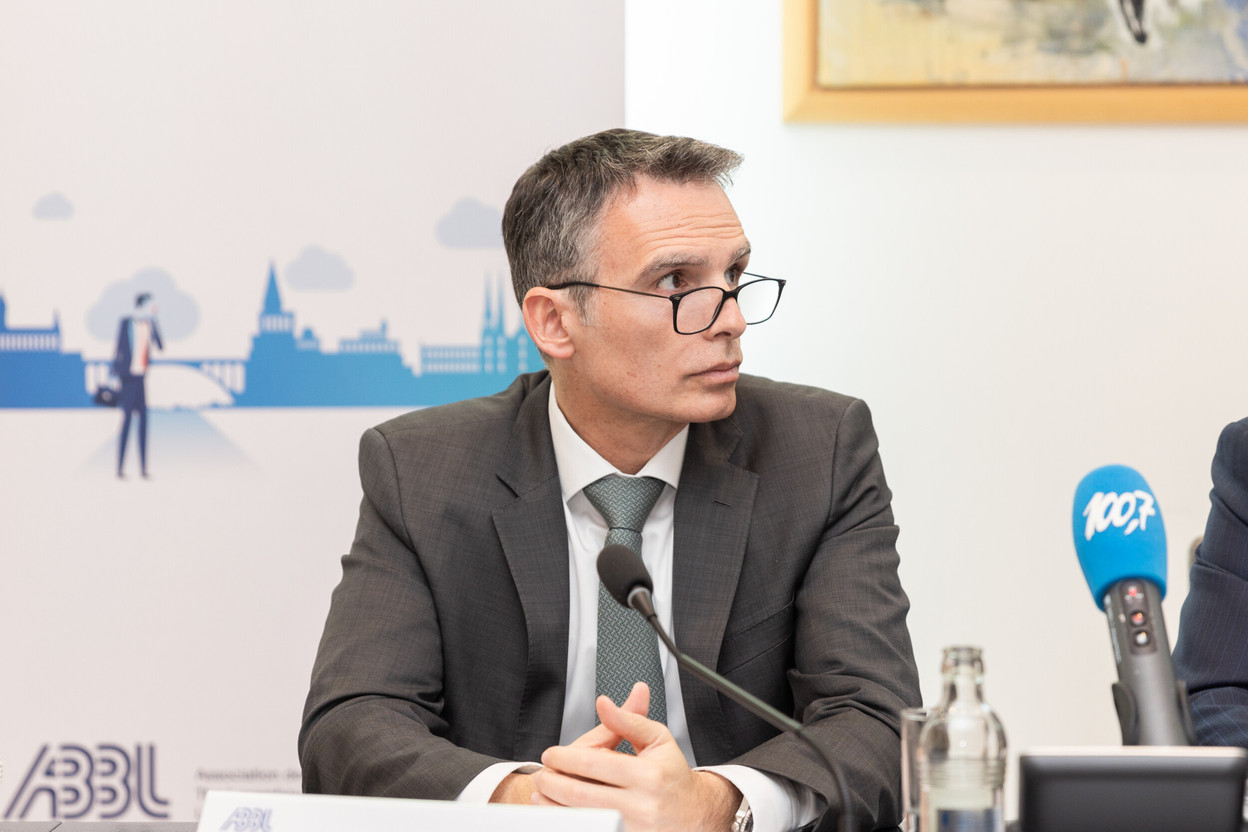
“It wasn’t really the plan for me to leave the ABBL, so I didn’t have time to finish a project I was working on, which relates to affordable housing,” explained Mr Grbic, when asked to share one negative and one positive thing he would take away from his term of office. “The idea is for ABBL members to fund flats that are designed from the outset as co-living flats, as well as rooms that will then be let at a reduced rate to young employees of our members, thereby providing housing and sending a signal that, as the private sector, we can also [take action].’
“There will be a company owned by shareholders from the ABBL, financed by equity and debt, a property development comprising 120 rooms, which will then be let at a discount to young employees arriving in Luxembourg.”
The proposed arrangement would not be unprecedented in the financial sector, where banks have regularly set up joint ventures to meet a specific need. LuxTrust, for example, was established in 2005 on the initiative of the State and the main financial players to pool electronic identification and signature services. Prior to that, Cetrel had been founded in 1985 by retail banks and the Post and Telecommunications (P&T) to manage a shared electronic payments infrastructure. In 2018, Spuerkeess, BGL BNP Paribas, Raiffeisen Bank and Post Luxembourg set up LuxHub to pool their efforts, in particular, to ensure compliance with the European PSD2 Directive. More recently, these four institutions, joined by the Bil, have entrusted LuxConstellation with the roll-out of the shared network of Bancomat cash machines. The 120-room project would follow this model of shared resources, but would apply it to staff accommodation for the first time.
A reaffirmed role as a unifying force
Whilst bankers may find it easier than others to secure funding for their project, they are also waiting for the government to clarify the issue of tax exemptions or tax incentives introduced to encourage employers to embark on such projects. He concluded by saying that the project would be presented once a number of issues had been resolved.
What positive aspects will he take away from this? “I’m particularly proud that our team has managed to build closer ties with its members, in the sense that we can now respond more quickly to support them and address the issues that really matter to them. So, it’s really about getting my team – which brings together experts from different fields – to work together. At least, that’s the feedback I’m getting from our members: they’re satisfied with the services and support we’re able to offer. I believe that is the positive aspect. The ABBL is there to bring people together, to act as a facilitator. That is the role we play amongst our members, with the regulator, with the Ministry of Finance, and with other players in the financial sector. We have built relationships with other associations in the financial sector. So, all in all, I think this has been a great success,’ he said, thereby considering that the departure of three of the association’s ‘Big Four’ was a non-event. Which, after all, is his right.