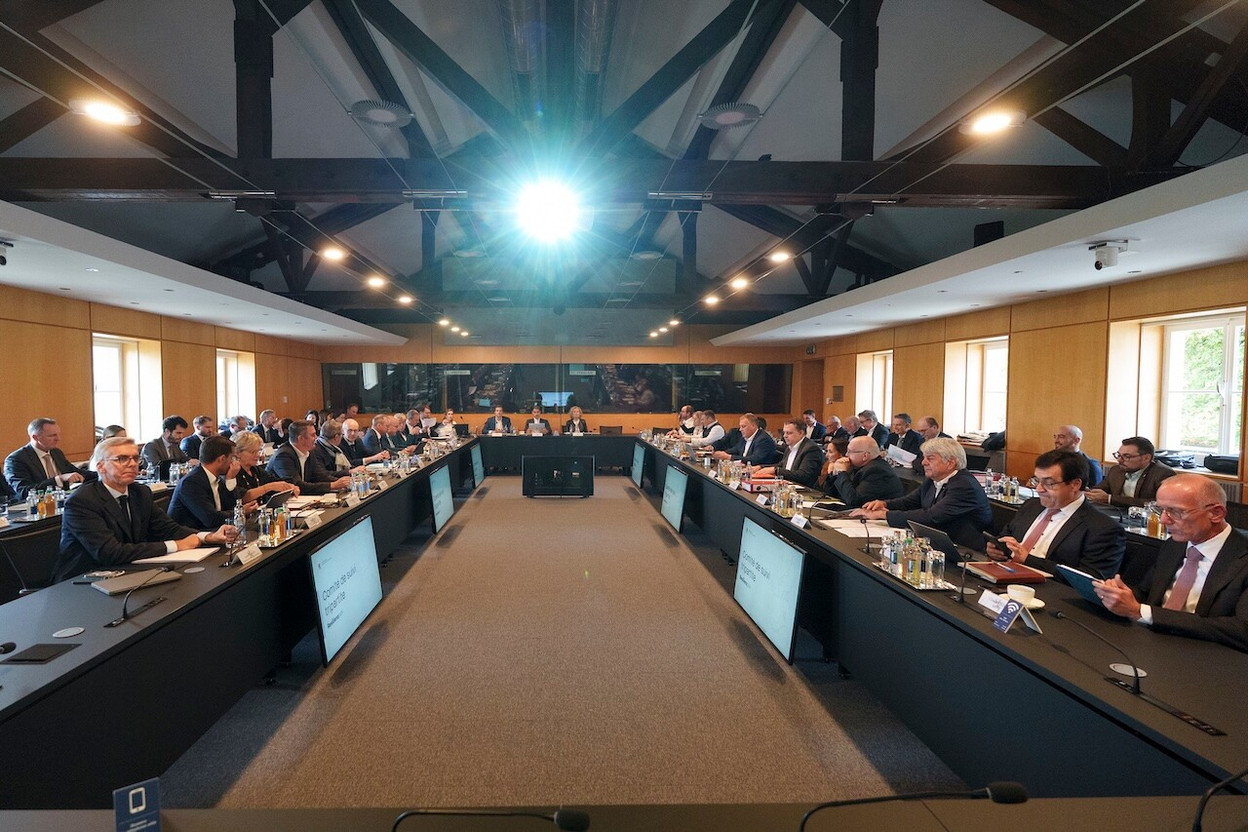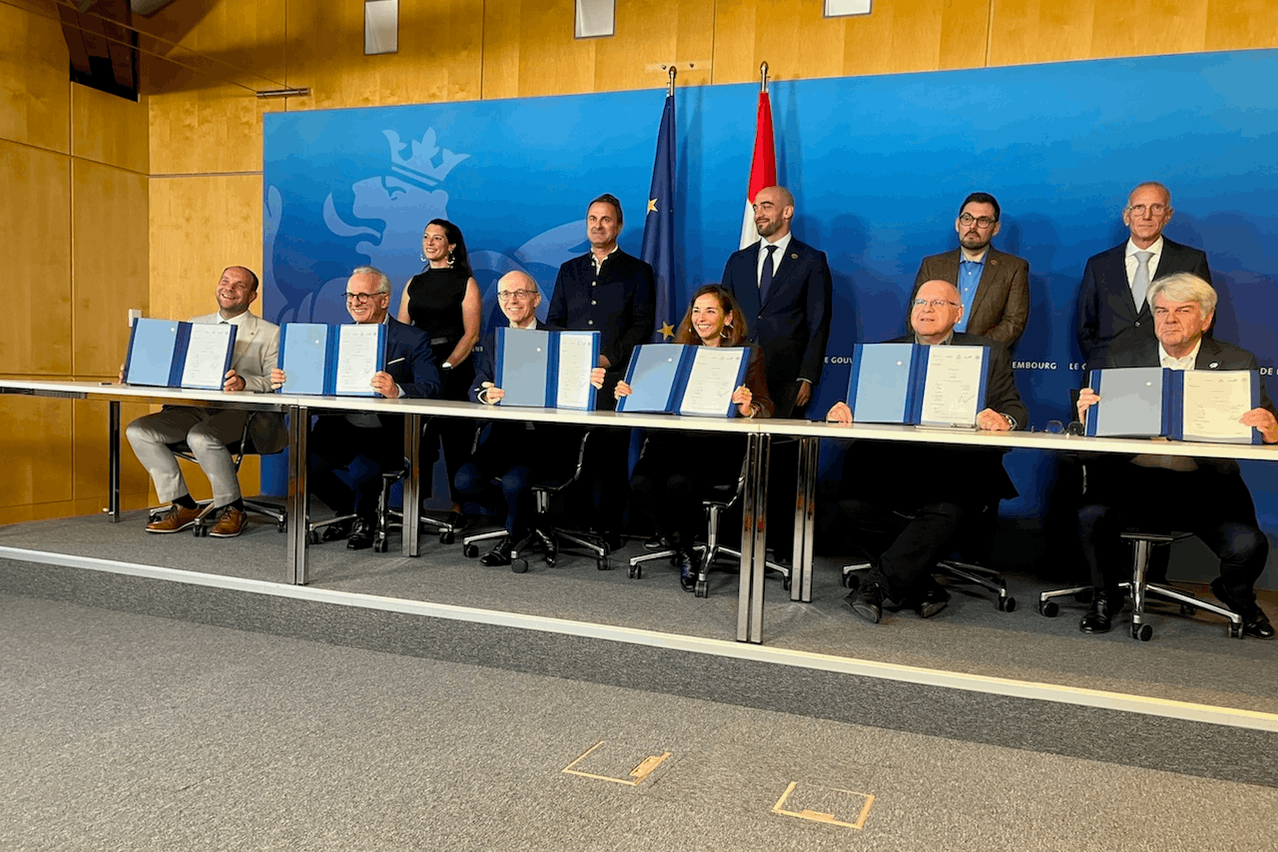
A year of transparency regarding energy subsidies and a commitment to the index. Following a morning of ‘intensive’ discussions, as Prime Minister 
Subsidies for electricity, gas and heating oil will be maintained throughout 2027. This is a longer extension than originally envisaged. “We have decided to extend the energy support measures not by three months, but by twelve months,” explains the head of government. The aim is twofold: to support households’ purchasing power and curb inflation, whilst giving businesses greater certainty regarding their expenditure. All this whilst ensuring the security of the energy supply.
Fuels: a deliberate exception
For petrol and diesel, the support will be shorter-term. The subsidy of 5 centimes per litre will only be extended until February 2027. To justify the end of this scheme, the Prime Minister cites, first and foremost, the minimal impact of these subsidies on inflation trends. He also emphasises the need to balance the protection of purchasing power with climate targets and security of supply.
“Too wide a price differential with neighbouring countries could increase demand in Luxembourg and lead to supply difficulties for petrol and diesel,” he explains. The compromise therefore involves temporarily extending these subsidies, and then focusing support on electricity, gas and heating oil. Luc Frieden assures us, however, that fuel prices will remain lower than those in the three neighbouring countries after the subsidy is withdrawn. This is an advantage which, he says, will continue to benefit both residents and those working in Luxembourg.
A commitment to the index
This is one of the main arguments put forward by Luc Frieden in support of the compromise: the aid measures must help to limit the triggers for the automatic indexation of wages and pensions. “We are giving businesses the certainty that in 2027 and 2028, there will be no more than one indexation tranche per year,” says the Prime Minister.
This is a politically strong assurance, even though the head of government does not set out the details of how this outcome will be guaranteed. Nor does he specify the expected date of the next instalment. For Luc Frieden, this predictability is a key element of the agreement, both for household budgets and for business management.
A budget of €150m
In practical terms, the price of electricity will be subsidised by 4 centimes per kilowatt-hour throughout next year. For heating oil, the subsidy will amount to 15 centimes per litre. Gas subsidies will also be extended at the same rate of 15 centimes per cubic metre.
The Prime Minister has put the budget for 2027 at around €150m. By way of comparison, for 2026, the cost of energy support schemes was €60m for six months. Luc Frieden presents this initiative as additional support for household incomes, complementing the tax measures recently adopted. “This agreement will provide greater stability and predictability,” he emphasises. This support should, in his words, “make a difference” in an international environment where instability continues to weigh on energy prices.